

Kartell Ghost Buster: Philippe Starck’s Transparent Commode as a Contemporary Classic
A commode that behaves like architecture
Kartell’s Ghost Buster is storage furniture with an unusually visual agenda: it keeps the familiar outline of a commode, then removes its visual weight. The result is a piece that sits comfortably in a living room, bedroom, or entry—yet never reads as “bulky.” For a quick overview and finish context, see the Product page.

Kartell’s long relationship with transparency
Ghost Buster belongs to Kartell’s broader project of turning “transparent plastic” into an interior material, not a novelty. In its own retrospective on transparency, Kartell positions Ghost Buster among the brand’s milestone pieces that made clear polymer furniture feel mainstream in contemporary rooms. Transparency project

Starck (with Quitllet) and the “updated commode” idea
On Kartell’s official listing, Ghost Buster is credited to Philippe Starck with Eugeni Quitllet, described as a “Kartell-style commode” updated by contemporary lines and material thinking. Kartell listing
Starck’s own Milan fair notes from 2009–2010 frame Ghost Buster as a chest/night-table project driven by a search for a minimal, near-invisible everyday storage piece. 2009 notes 2010 notes

Design that’s about edges, reflections, and “readability”
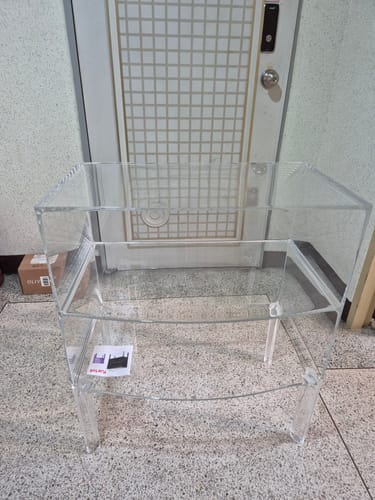
Rather than hiding its construction, Ghost Buster emphasizes it: crisp corners, broad planes, and a silhouette that remains legible even when the body seems to dissolve into reflections. The experience shifts across the day—light, flooring, and nearby objects become part of the façade—so it functions as storage while also editing the visual density of a room.
An installation story from a Crystal delivery
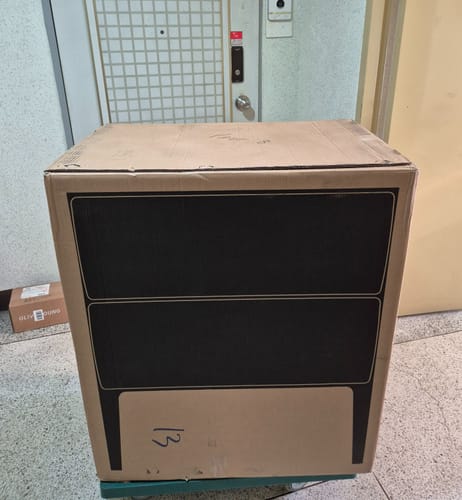
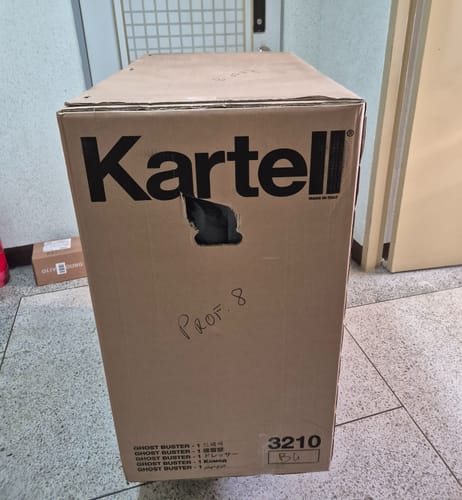
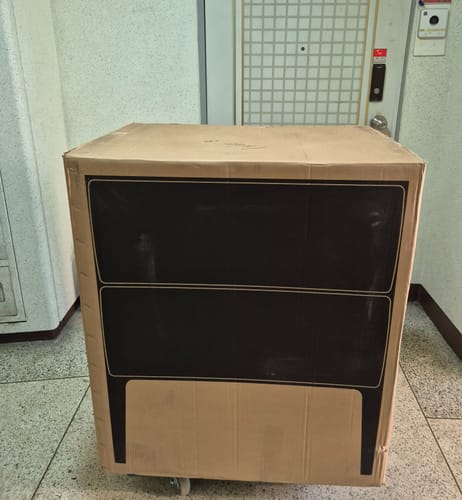
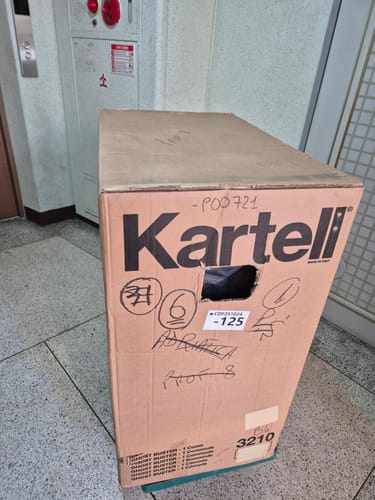
A customer review notes the piece was delivered on October 29, 2025, in the Crystal colorway. In a home setting, that transparent finish reads especially “present” at the edges and handles the rest by reflecting whatever surrounds it—useful when you want storage without adding another opaque block to the plan.
Where it fits best
Ghost Buster works when you want a strong outline without the heaviness: compact apartments, bright bedrooms, gallery-like living rooms, and offices that need storage while staying visually light. It pairs well with reflective materials (glass, polished metal) and with tactile counterpoints (wool rugs, matte ceramics) that keep the room from feeling too slick. If your space already has a lot of visual pattern, the transparent body can act as a quiet “pause” while still earning its footprint.
#Kartell #GhostBuster #PhilippeStarck #EugeniQuitllet #ItalianDesign #ModernFurniture #StorageFurniture #Commode #TransparentDesign #PolymerDesign #ContemporaryInteriors #DesignClassic #MilanDesign #InteriorStyling #ObjectDesign